Green peas are one of the most rewarding cool season crops for home gardeners. They sprout quickly, grow reliably in both containers and garden beds and produce sweet pods that taste noticeably fresher than anything you can buy at the store. This guide explains how pea plants grow, what conditions they need, how to care for them and how to troubleshoot common issues. The method section offers clear steps so beginners can start confidently.
Peas thrive in mild temperatures and prefer growing during the cooler months of the year. They are uncomplicated, adaptable and highly productive which makes them a great choice if you are new to growing vegetables at home.
Understanding Green Pea Plants
Green peas are cool weather legumes that grow as climbing vines or compact bush plants depending on variety. Like other legumes, they naturally fix nitrogen in the soil which improves soil fertility for future crops. The plants prefer well draining soil, consistent moisture and moderate sunlight.
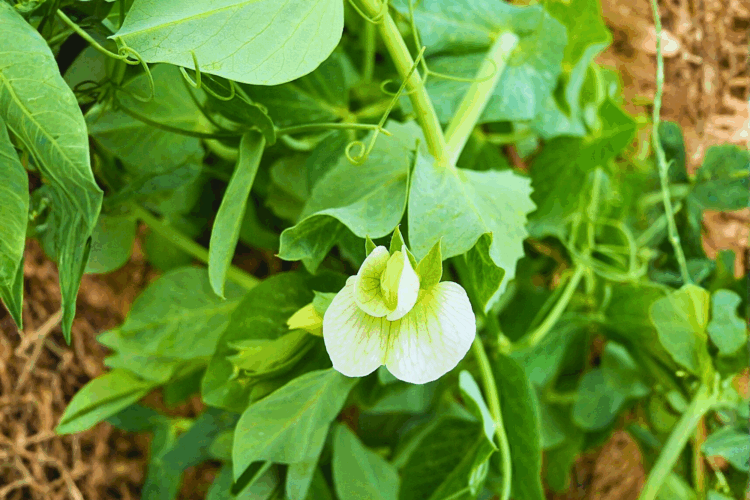
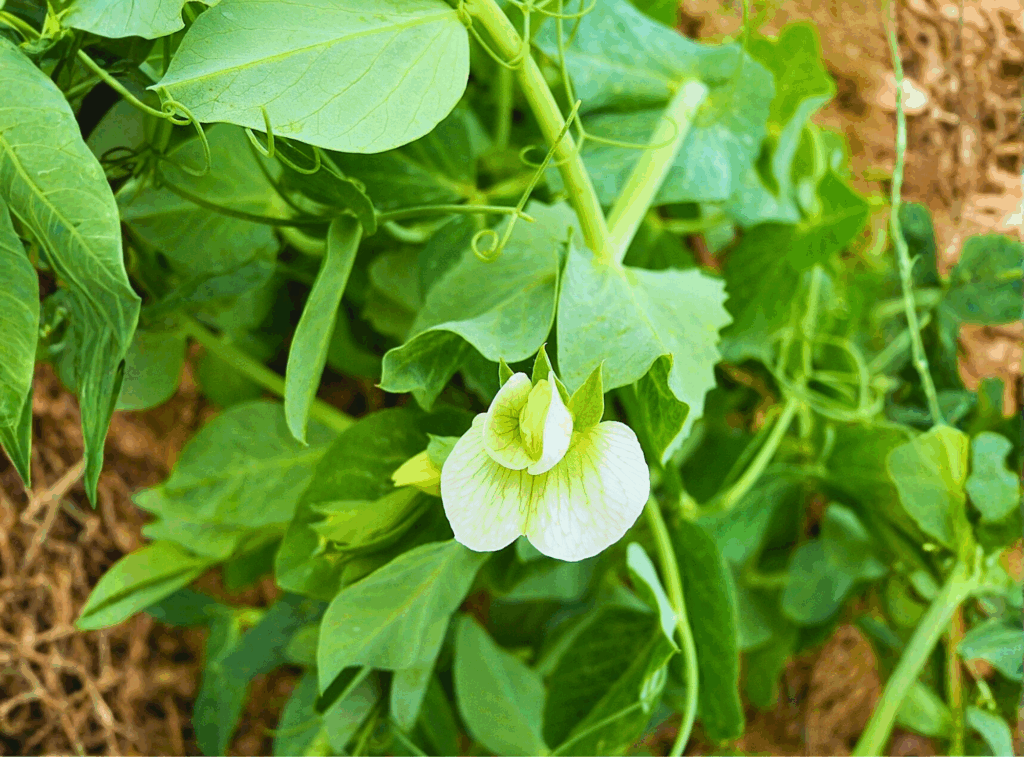
Once seedlings establish, climbing varieties send out thin tendrils that grip any support placed nearby. This is why a trellis, netting or simple stakes are often used. The plants produce white or pale blossoms that eventually develop into pea pods.
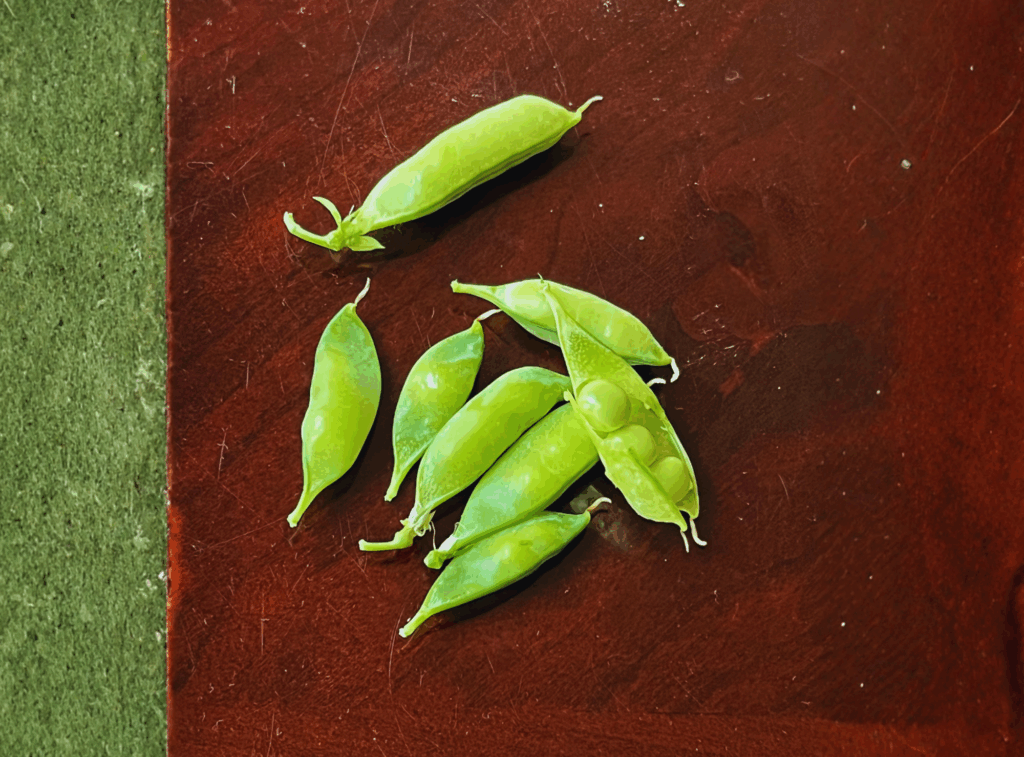
Most varieties are ready to harvest in about sixty to seventy days depending on climate and growing conditions. Pods can be picked when they feel full and firm.
Benefits
Peas offer several benefits for home gardeners. They are highly nutritious and provide fiber, plant protein and a range of vitamins. Freshly harvested peas are noticeably sweeter and more tender than packaged options.
Pea plants are low maintenance and do not require heavy fertilization. Because they enrich the soil with nitrogen, they improve overall soil health. They also adapt well to containers, raised beds or traditional garden plots which makes them a versatile crop for small and large spaces.
Culinary Use and Storage
Fresh green peas work well in soups, curries, salads, fritters and pasta dishes. They add sweetness to casseroles and grain bowls and can be lightly sautéed or steamed as a simple side. Young pods from certain varieties can be eaten whole.
To store peas, shell them and refrigerate them in an airtight container. They stay fresh for several days. For long term storage, blanch the peas briefly, cool them in ice water and freeze them. Frozen peas retain excellent colour and flavour for months.
Care and Maintenance
Green peas grow best in consistently moist but not waterlogged soil. Water regularly, especially while the plants are flowering and forming pods. Early morning watering is ideal.
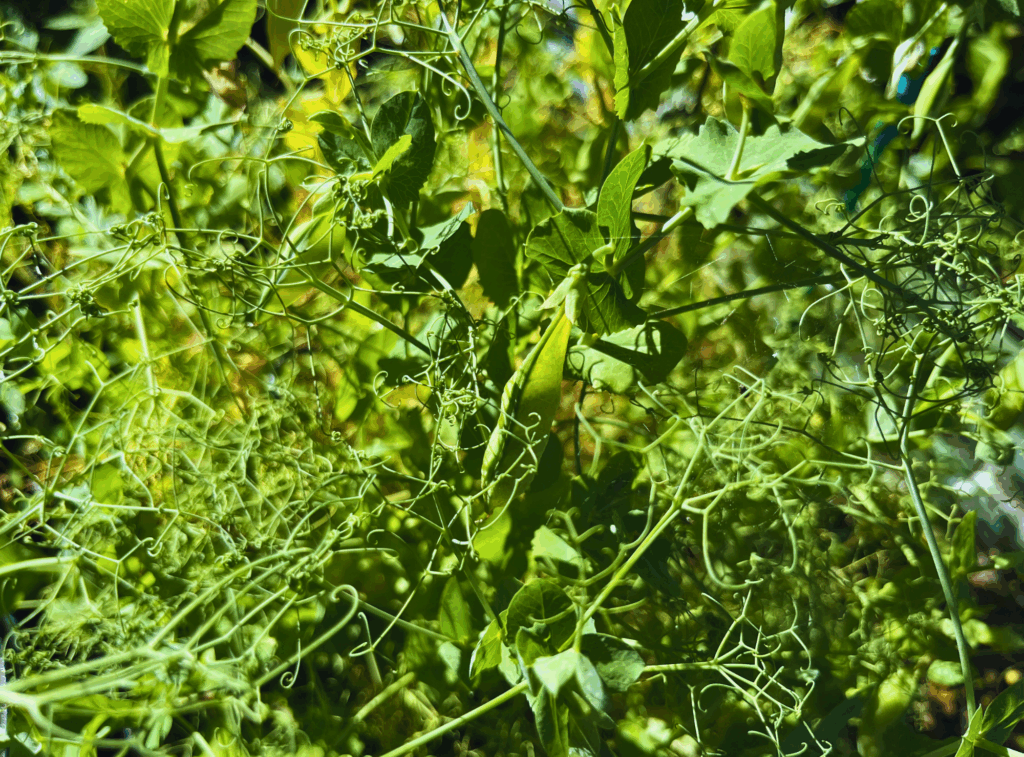
Support climbing varieties with stakes, netting or a trellis. Guide young vines gently toward the support so the tendrils can attach naturally.
Peas prefer cooler temperatures and may struggle in heat. If temperatures rise unexpectedly, provide partial shade during the hottest hours. Adding mulch around the base of the plants helps regulate soil temperature and retain moisture.
Avoid excessive fertilizer. Too much nitrogen leads to lush leaves but fewer pods. A light amount of compost at planting is usually enough.
Good to Know
Soaking pea seeds for a few hours before planting speeds up germination, although it is not essential. Birds or small animals may disturb newly planted seeds, so using a light covering of straw or a temporary mesh guard can help during the first few days.
Pea flowers are self fertile which means they set pods readily without requiring pollinators. Harvest peas regularly once they mature so the plants continue producing. Pods left too long on the vine signal the plant to slow down pod formation.
Climbing pea varieties are more productive but require support. Bush varieties are low growing and easier to manage in small spaces.
Common Issues and How to Address Them
- If seeds rot before sprouting, the soil may be too wet or the temperature too warm. Adjust watering and try planting during a cooler period.
- If foliage turns yellow or growth is weak, check drainage. Poorly draining soil can cause root problems. Improving soil texture with compost can help.
- Powdery mildew may appear in crowded or poorly ventilated conditions. Improve airflow, water at soil level and remove affected leaves if necessary.
- If pods are small or poorly filled, irregular watering or heat stress may be the cause. Keep soil moisture steady during flowering and pod development.
Tips for Success
- Plant peas during the coolest part of your local growing season. In many regions, this means early spring or fall. Choose a location that receives at least four to six hours of sunlight each day.
- Soak seeds for a short period before planting to speed germination. Keep the soil moist until seedlings emerge. Install trellises early for climbing varieties so the roots are not disturbed later.
- Harvest frequently to encourage continued pod production. For an ongoing supply, sow new seeds every couple of weeks throughout the cool season.
How to Grow Green Peas at Home
Tools and Materials
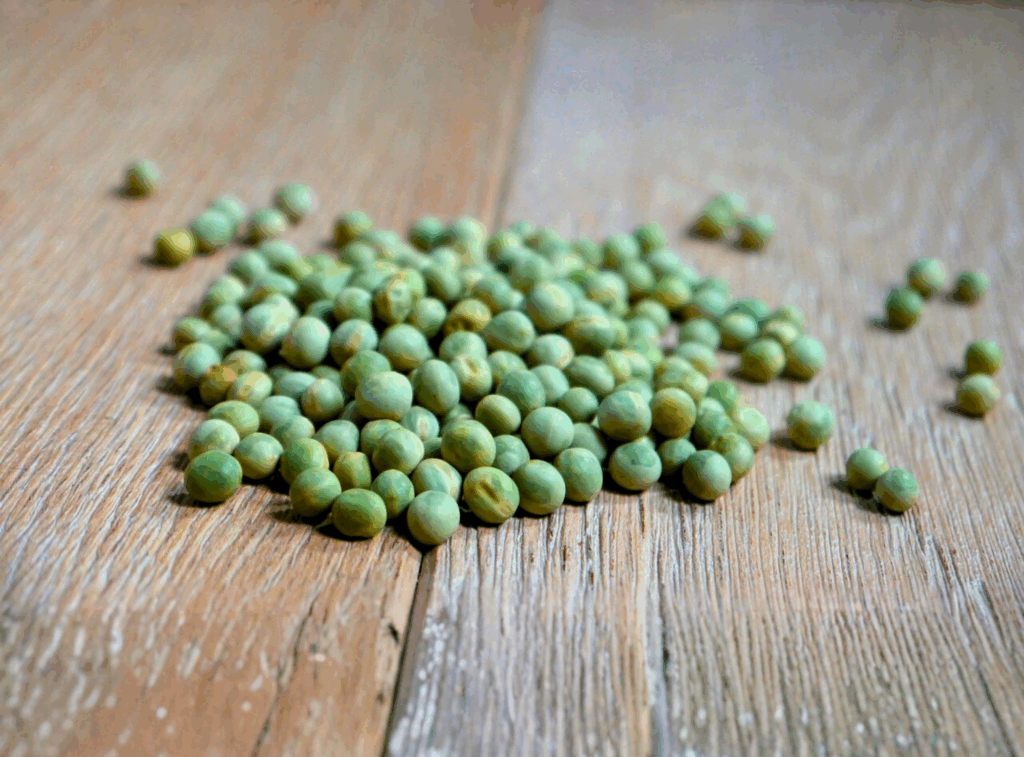
- Green pea seeds
- A container or garden bed with good drainage
- Potting soil mixed with compost
- Trellis, stakes or netting
- Watering can or spray nozzle
- Mulch such as straw or bark chips
Instructions
- Prepare your planting area by filling a container or garden bed with well draining soil mixed with compost.
- Soak the pea seeds for a few hours to speed germination, then drain them.
- Plant the seeds two to three centimeters deep and space them several centimeters apart depending on variety.
- Water thoroughly so the soil is evenly moist.
- Install a trellis or stakes for climbing types.
- Keep the soil consistently moist until sprouts appear. Seeds usually germinate within one to two weeks.
- Once plants begin to grow, guide the vines gently toward the support structure.
- Maintain even moisture during flowering and pod formation.
- Harvest pods when they feel full and plump. Pick regularly to encourage more production.