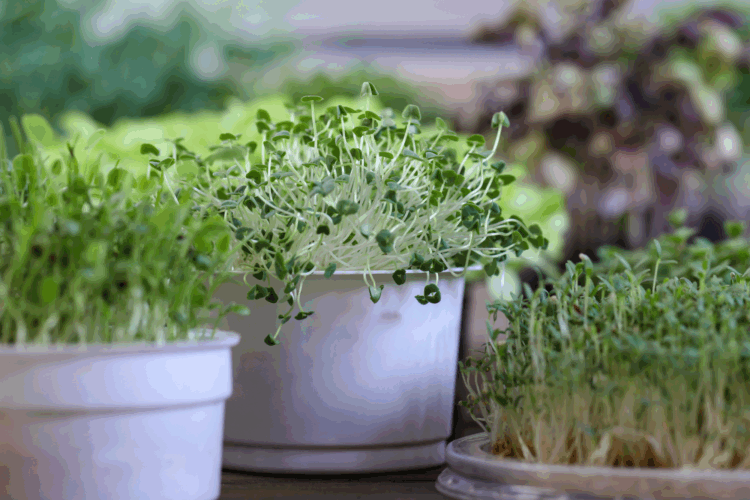
Chia microgreens are one of the easiest and quickest greens you can grow at home. They sprout rapidly, require very little space and produce a nutrient dense harvest in under a week. This guide will walk you through all the essentials so you understand how chia microgreens grow, what makes them useful and how to care for them through their short growth cycle. The method section provides clear, practical steps that beginners can follow without any gardening experience.
For someone new to microgreens, chia offers a gentle learning curve. The seeds do not require soaking and they germinate readily when exposed to moisture and light. The plants remain small and delicate which makes them suitable for kitchen counters, windowsills or low effort indoor gardening setups.
Understanding Chia Microgreens
Chia seeds come from the Salvia hispanica plant, a member of the mint family. These seeds are known for their ability to absorb water and form a gel like coating when wet. This natural characteristic influences how they behave as microgreens. Instead of soaking the seeds, you spread them directly on a moist surface. The seeds absorb just enough water to trigger germination.
Microgreens are harvested very early in the plant’s life. For chia, the harvest time is usually four to seven days after sowing. The sprouts develop delicate stems, two small cotyledon leaves and a mild flavour that is fresh and slightly herbaceous. They differ from sprouts because they are grown in soil or a growing medium and receive exposure to light.
The main conditions chia microgreens need are moisture, warmth and gentle light. They benefit from a thin growing medium and frequent misting. Because chia seeds gel upon contact with water, they do not sink into the soil. They sit on the surface and root themselves once germination begins.
Benefits and Advantages
Chia microgreens are packed with nutrients. They offer a good range of vitamins and minerals including calcium, iron, magnesium and omega 3 fatty acids. These greens have a mild flavour which makes them versatile and easy to add to a wide range of meals.
One of the biggest advantages is speed. Chia microgreens mature very quickly which makes them ideal for regular home growing. You can start a new tray every few days for a continuous supply. They suit beginners because they are forgiving of minor errors and the seeds are widely available and inexpensive.
Culinary Use and Storage
Chia microgreens have a subtle taste that works well in salads, sandwiches, wraps and smoothies. They can be used as a garnish on soups, buddha bowls and breakfast dishes such as avocado toast. Since they are tender and small, they blend into dishes without overpowering other flavours.
To store chia microgreens, place them in an airtight container lined with a slightly damp paper towel. Keep the container in the refrigerator. They generally stay fresh for two to three days. It is best to harvest them as needed because their delicate leaves taste best when freshly cut.
Care and Maintenance
Chia microgreens need consistent moisture. The seeds should be misted regularly so they do not dry out. However, avoid overwatering because too much water can cause mold or disrupt the growing surface. A spray bottle works best for maintaining steady moisture.
Place the tray in a bright area with indirect sunlight. Direct harsh sun can dry the surface quickly. Rotate the tray daily so the microgreens grow evenly. Air circulation also helps prevent mold because chia seeds form a dense surface layer during germination.
Fertilizer is not needed. All the nutrients required for early growth are stored inside the seed. Once harvested, the used growing medium can be composted or added to outdoor soil.
Good to Know
Chia seeds swell when they absorb water and create a gel like coating. This is completely normal and helps them stay in place on the soil surface. The seeds may appear stuck together at first but they will separate naturally as the sprouts grow.
Chia microgreens tend to grow very evenly because the seeds are small and spread uniformly. They remain short and compact throughout their growth cycle. When harvesting, cut just above the soil line to avoid bringing any growing medium into the harvest.
Common Issues and How to Address Them
If seeds are not sprouting evenly, check moisture levels. Chia seeds require steady humidity. If the surface dries too quickly the gel coating can become crusty which slows germination. Increase misting slightly or keep the tray covered for the first day.
If mold appears, it usually means too much moisture and not enough airflow. Reduce misting, improve ventilation and avoid stacking trays directly on top of each other. A small household fan on a low setting can also help.
If your greens look pale, they are not receiving enough light. Move the tray closer to a window or provide gentle artificial light. If the roots look tangled on the surface, this is normal for chia. They form a thin root mat that lies above the soil before anchoring deeper.
Tips for Success
Spread the chia seeds in a single, dense layer so the microgreens form a uniform carpet. Do not soak the seeds beforehand. Keep the tray covered for the first twenty four hours to create a stable germination environment.
Use a fine mist spray to avoid disturbing the seeds. Ensure the growing medium stays lightly moist but never waterlogged. Place the tray in bright indirect light as soon as the seeds begin sprouting. Harvest early for the best flavor and texture.
How to Grow Chia Microgreens at Home
Materials Required
- A shallow tray or small container
- Fine cocopeat or a light microgreen growing medium
- Chia seeds
- Spray bottle
- Scissors for harvesting
Instructions
1. Prepare your tray by adding a thin, even layer of cocopeat or growing medium. Level the surface gently.
2. Mist the medium thoroughly so it becomes evenly moist.
3. Sprinkle chia seeds across the surface in a dense, uniform layer. Do not bury the seeds. They should sit on top of the moist medium.
4. Mist lightly to help the seeds settle. Avoid adding too much water because chia seeds form a gel when wet.
5. Cover the tray with a lid or plate for the first twenty four hours. This helps maintain humidity and encourages rapid germination.
6. Once the seeds have sprouted and small shoots appear, remove the cover and place the tray in bright indirect light.
7. Mist the microgreens once or twice a day. Keep the surface consistently moist but not overly wet.
8. In about four to seven days, the microgreens will reach harvest stage. Cut them just above the soil line using clean scissors.
9. Rinse gently before use and store any extra microgreens in the refrigerator for a short period.