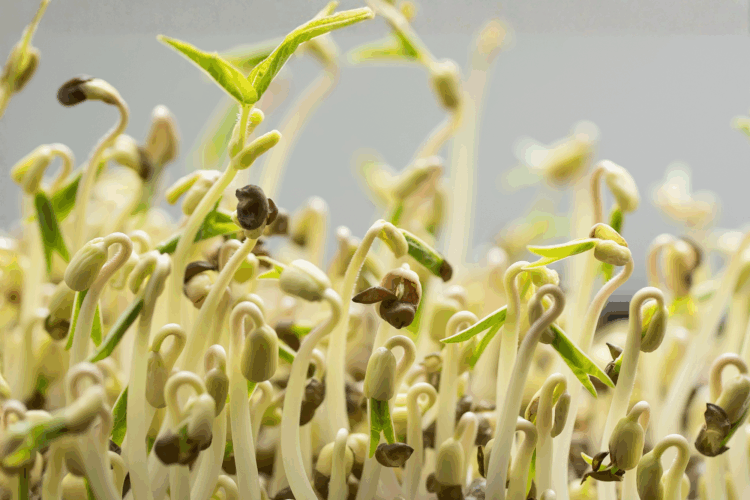
Moong microgreens are a fast growing, nutrient rich crop that is perfect for beginners. They sprout quickly, require minimal equipment and produce a tender, mild tasting harvest in under a week. This guide explains how moong microgreens grow, what they need, how to care for them and how to troubleshoot common issues. The method section gives clear, practical steps so even first time growers can succeed easily.
Moong seeds germinate very reliably and do not require special growing conditions. They grow well indoors, adapt to small spaces and offer a rewarding experience for anyone who wants fresh greens with very little effort.
Understanding Moong Microgreens
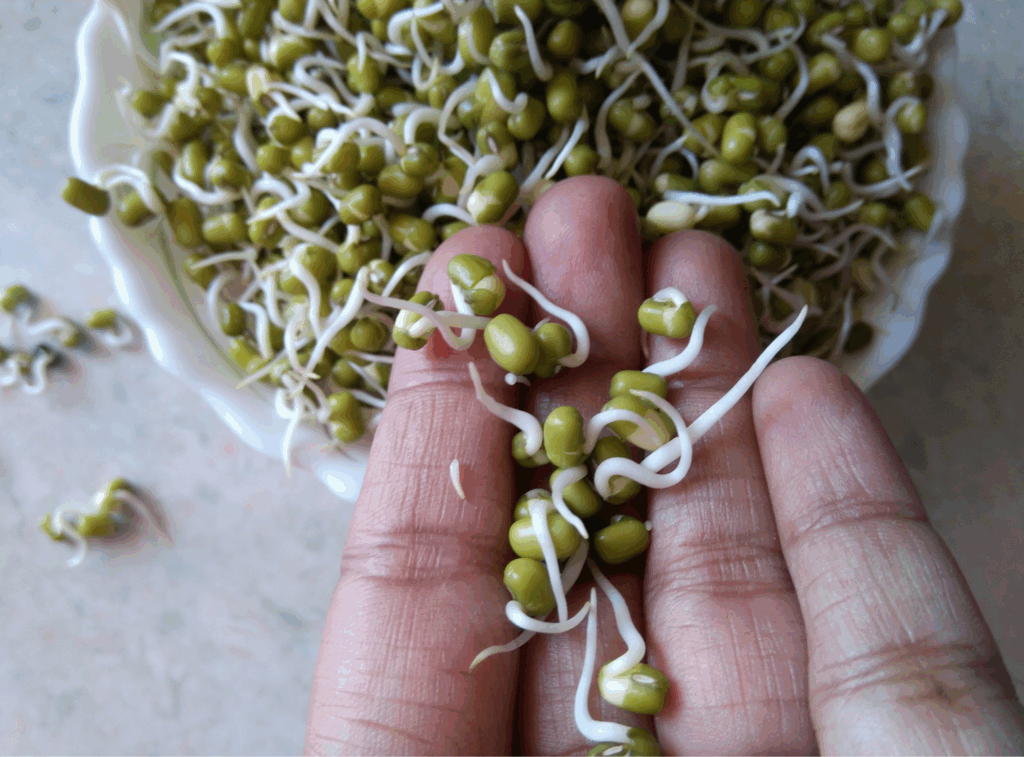
Moong beans come from the Vigna radiata plant, a legume known for its rapid germination and vigorous early growth. When grown as microgreens, the seeds are sprouted and then developed slightly further than traditional sprouts so the plants can form short stems and open their first leaves.
Moong microgreens differ from sprouts because they are grown on a growing medium and exposed to light. This produces stronger stems, greener leaves and a richer nutrient profile. The flavour is mild and slightly nutty, and the texture is crisp and tender.
To grow moong microgreens successfully, the seeds need moisture, warmth and moderate light. A shallow tray works best because the plants are harvested while still young.
Benefits and Advantages
Moong microgreens are rich in plant protein, antioxidants and essential vitamins. They contain minerals such as potassium, magnesium and folate. Their mild flavour makes them easy to incorporate into salads, bowls and savoury dishes.
One of the biggest advantages of moong microgreens is their speed. The growth cycle is short which allows frequent sowing for a continuous supply. They are low maintenance, reliable and ideal for beginners who want a quick and successful harvest.
Culinary Use and Storage
Moong microgreens can be added to salads, grain bowls, sandwiches and wraps. They also work well as a topping for soups or stir fries just before serving. Their fresh and delicate taste pairs well with citrus based dressings and simple marinades.
To store the harvested microgreens, place them in an airtight container lined with a slightly damp paper towel. Keep the container in the refrigerator. They usually remain fresh for two to three days. For the best flavour and texture, harvest only what you need and use them immediately.
Care and Maintenance
Moong microgreens require consistent moisture but should never sit in soggy conditions. Watering with a spray bottle helps maintain even humidity without disturbing the seeds. Keep the growing medium damp throughout the early days of germination.
Once the seeds sprout and the shoots begin to grow, provide bright indirect light. Direct, harsh sunlight can cause wilting or uneven drying. Rotate the tray daily so the microgreens grow upright and receive light evenly.
Fertilizer is not needed because the seeds contain all the nutrients required for early growth. After harvesting, the used growing medium can be composted or added to garden soil.
Good to Know
Moong seeds swell significantly when soaked which speeds up germination. When they first sprout, the roots may look fuzzy due to fine root hairs. This is normal and not a sign of mold.
Because moong beans are slightly larger than many microgreen seeds, they may push the soil or cocopeat upward during germination. This does not affect growth. The stems will straighten once the shoots emerge and receive light.
Harvesting should be done before the leaves become too large because younger microgreens have better flavour and texture.
Common Issues and How to Address Them
If the seeds are not sprouting evenly, check moisture levels. Dry growing medium can slow or stop germination. Increase misting slightly until the sprouts appear.
If mold develops, it usually indicates poor ventilation or excessive moisture. Improve airflow, reduce watering and remove any visibly affected areas.
If the microgreens look pale or elongated, they are not receiving enough light. Move them to a brighter location or increase exposure to indirect light.
A sour or unpleasant odour usually means the growing surface is too wet. Allow the tray to dry slightly between mistings and ensure proper drainage.
Tips for Success
Soak moong beans for six to eight hours before sowing. This ensures faster and more uniform sprouting. Spread the soaked seeds evenly across the growing surface without overcrowding. A dense layer is fine but avoid piling the seeds on top of each other.
Keep the tray covered for the first one or two days to maintain humidity and encourage strong germination. Once the shoots emerge, remove the cover and place the tray in bright indirect light.
Use a gentle misting method to avoid disturbing young sprouts. Harvest early for the best flavour, preferably when the first leaves have opened fully.
How to Grow Moong Microgreens at Home
Items Required
- A shallow tray or growing container
- Potting mix, cocopeat or another microgreen medium
- Whole moong beans
- Spray bottle
- Scissors for harvesting
Instructions
1. Rinse the moong beans thoroughly and soak them for six to eight hours. Drain the water once they are plump.
2. Prepare your tray by filling it with a thin, even layer of growing medium.
3. Moisten the surface with a spray bottle until it feels evenly damp.
4. Spread the soaked moong beans across the surface in a single dense layer.
5. Mist the seeds lightly and cover the tray with a lid or cloth to create a humid environment.
6. Keep the tray covered for one to two days until the seeds sprout. Check daily to ensure the medium remains moist.
7. Once the shoots appear, remove the cover and place the tray in bright indirect light.
8. Mist the microgreens once or twice a day depending on temperature and humidity.
9. Harvest in about four to six days when the shoots are tall and the first leaves have opened. Cut just above the growing medium.
10. Rinse gently before use and store any extra microgreens in an airtight container in the refrigerator.