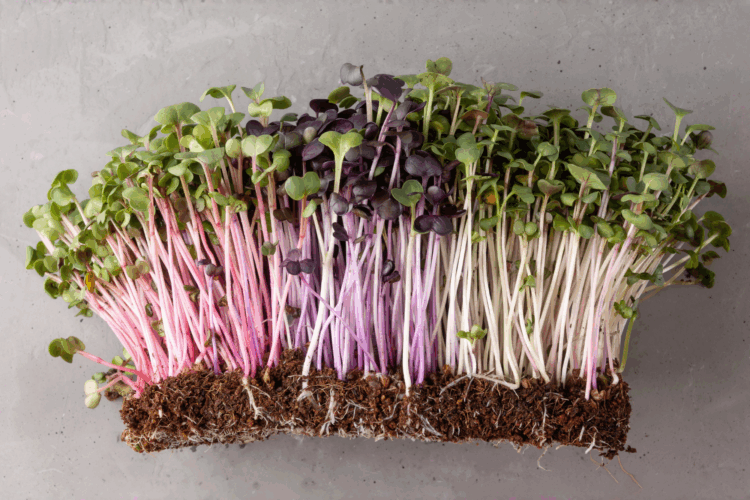
Microgreens have become increasingly popular among chefs, home cooks and gardeners alike. These small but powerful greens offer exceptional flavor, impressive nutritional value and the ability to grow almost anywhere. Whether you want to elevate your culinary creations or begin a simple home gardening project, microgreens provide a wonderful entry point. This article explores what microgreens are, why they are beneficial and how you can grow them successfully.
Understanding Microgreens
Microgreens are young vegetable or herb plants harvested shortly after germination. They are typically cut once the first true leaves appear. Despite their small size, they are known for concentrated flavor profiles and vibrant colors.
They differ from sprouts because sprouts are eaten before they develop leaves and are consumed entirely – seed, root and shoot together. Microgreens grow in soil or a soil alternative and only the stem and leaves are harvested. They also differ from baby greens because they are harvested much earlier.
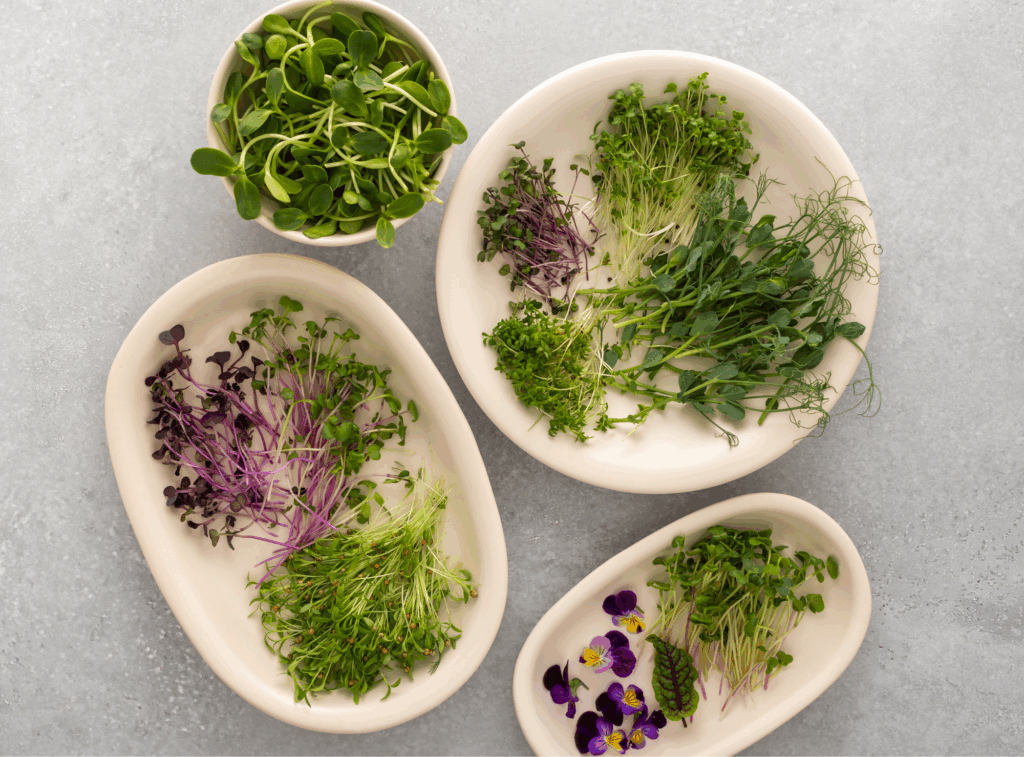
Popular varieties include radish, sunflower, kale, arugula, mustard, cilantro, basil and broccoli. Each variety brings unique textures, colors and tastes which makes them ideal for experimentation in the kitchen.
Advantages of Growing Microgreens
Easy to grow: Microgreens require minimal supplies and minimal space. A kitchen counter, windowsill or balcony can be enough to support healthy growth. This makes them ideal for beginners.
Fast results: Most microgreens can be harvested within one to three weeks. The quick turnaround provides instant gratification and encourages continuous growing.
Cost effective: Growing microgreens at home is significantly more cost effective than buying them at specialty stores. A small amount of seeds can produce multiple harvests.
Suitable for year round growing: Since microgreens thrive indoors, you can grow them throughout the year regardless of weather conditions.
Low maintenance: They require only light watering, moderate sunlight or artificial lighting and simple care routines.
Health Benefits
Microgreens contain a high concentration of vitamins, minerals and antioxidants. Research shows that they may possess up to four times the nutrient density of their fully grown counterparts. This makes them an excellent option for anyone looking to improve daily nutrient intake without drastically changing meal portions.
Common nutritional advantages include:
- Vitamin C for immune support
- Vitamin K for bone and blood health
- Vitamin A for eye and skin health
- Potassium, iron and magnesium
- Antioxidants that help reduce oxidative stress
Because they are harvested young, microgreens often deliver these vitamins in more potent amounts. Their nutrients can support heart health, overall immunity and digestive well being.
Many microgreens also contain phytonutrients that may contribute to reduced inflammation and improved cellular repair. Broccoli microgreens, for example, are rich in sulforaphane which has been widely studied for its potential anticancer properties. Red cabbage microgreens may help regulate cholesterol levels. Some varieties also contain beneficial enzymes that aid digestion and help the body absorb nutrients more efficiently.
Including microgreens in your diet is an easy way to increase dietary diversity. Their concentrated nutrition makes them particularly valuable for people with limited access to fresh produce during certain seasons, individuals with higher nutrient needs or anyone interested in improving overall vitality.
Culinary Uses
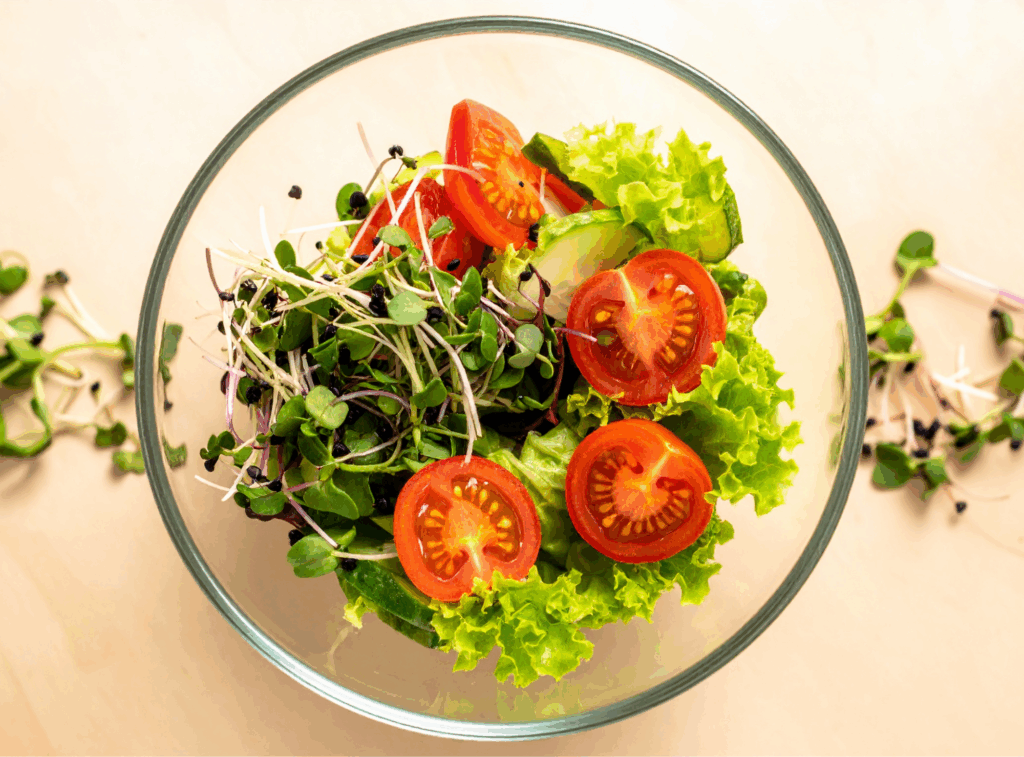
Microgreens add both beauty and flavor to dishes. While they are often used as garnishes, their uses extend far beyond decoration.
You can incorporate microgreens into:
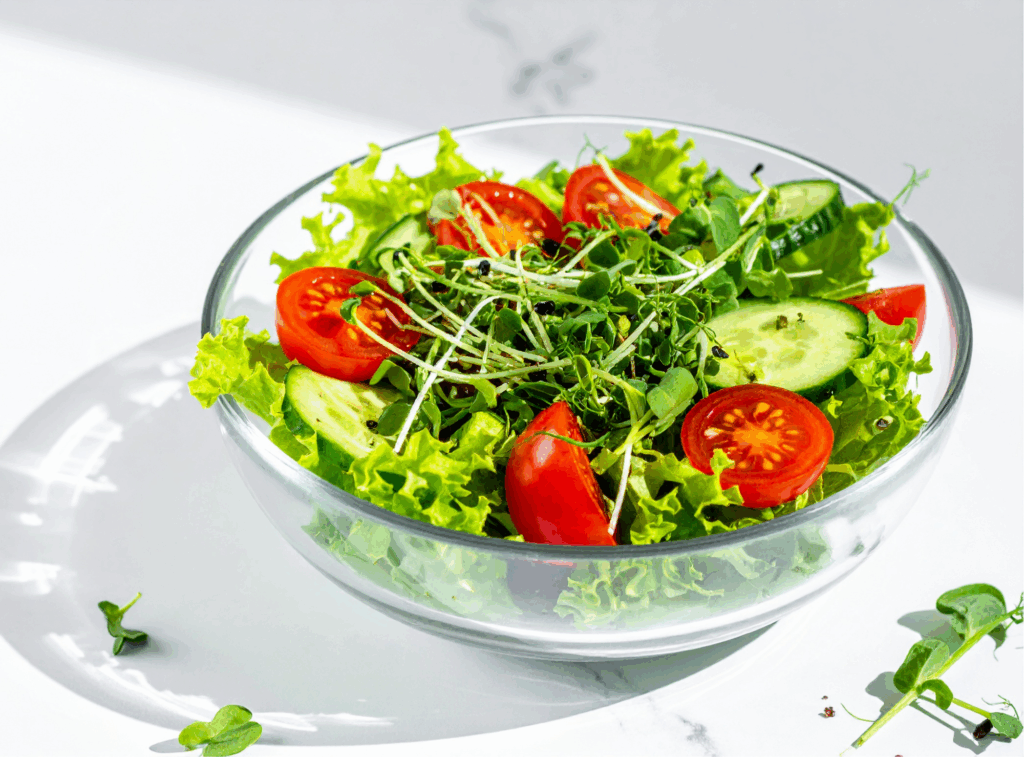
- Salads for added crunch and color
- Sandwiches and wraps for boosted flavor
- Smoothies for enhanced nutrition
- Soups for fresh contrast
- Grain bowls and pasta dishes
- Side dishes and stir fries
Different microgreens provide various flavor notes. Radish microgreens offer a spicy punch, sunflower microgreens provide nutty sweetness and basil microgreens deliver vibrant fragrance.
Microgreen Growing Mediums
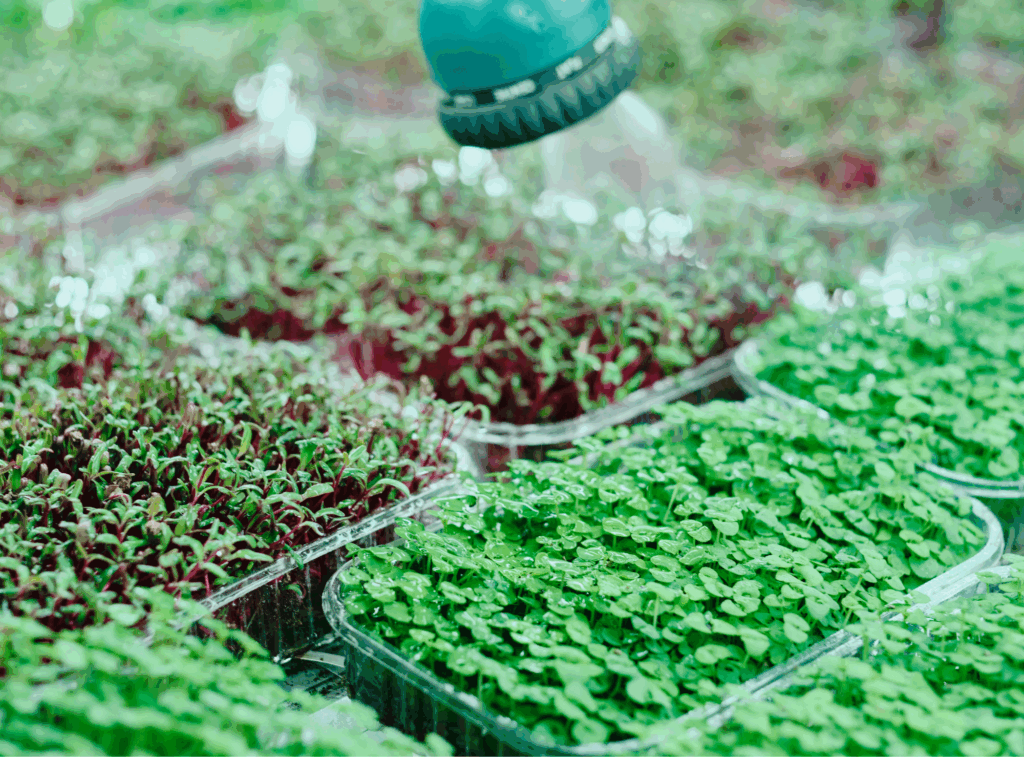
A growing medium provides the base in which microgreens develop. Several options exist depending on your preference.
Soil
- Soil is the most common medium because it provides natural nutrients. Choose a clean, high quality potting mix that drains well.
Coconut coir
- Coconut coir is a sustainable, lightweight and clean medium made from coconut husks. It retains moisture well and supports uniform germination.
Hemp mats
- Hemp mats are easy to use and produce minimal mess. They are ideal for beginners who want a tidy setup.
Grow pads
- Natural fiber pads offer good water retention and eliminate the need for loose soil. They are often used in commercial microgreen production.
Vermiculite or perlite blends
- These blends improve drainage and aeration. They work best when mixed with another medium.
When to Harvest
Microgreens are ready for harvest once they develop their first set of true leaves. This usually occurs between seven and twenty one days depending on the variety.
To harvest:
1. Hold the greens gently at the top.
2. Use clean scissors to cut just above the growing medium.
3. Rinse lightly and dry before storing or eating.
Harvesting at the right time ensures optimal flavor and texture. Waiting too long can cause the stems to become tough or the flavors to become bitter.
Good to Know
- Provide consistent moisture but avoid overwatering to prevent mold.
- Ensure good airflow to keep plants healthy.
- Use clean trays and tools to maintain safe growing conditions.
- Store harvested microgreens in a breathable container in the refrigerator.
- Experiment with mixed seed trays to discover unique flavor combinations.
- Artificial grow lights can improve results when natural light is limited.